It's Flu Season!
It is flu season! Protect yourself and your loved ones against influenza this year!
It is flu season! Protect yourself and your loved ones against influenza this year!
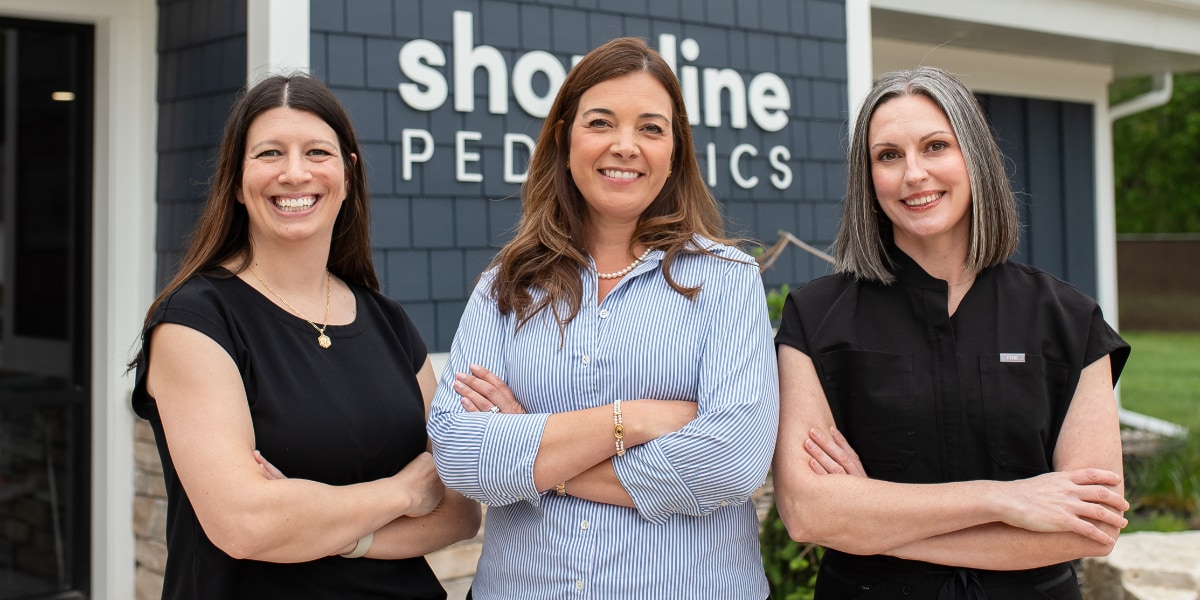
Dr. Maureen DeWitt, Dr. Gina Ramirez, and Dr. Jennifer Hubbard
An active patient portal can make managing your child’s healthcare simpler.
Depending on the features offered by your practice, the portal may allow you to send non-urgent messages, request medication refills, complete forms, review visit summaries, view lab results, and receive important updates from the office.
The portal also keeps much of your child’s health information in one secure place, making it easier to prepare for appointments and follow care instructions afterward.
Sign up for the patient portal at Shoreline Pediatrics, or take a moment to confirm that your current account is active and your contact information is correct. Contact the office if you need help getting started. Our portal website is: https://shoreline.pcc.com/portal/session/new
231-777-2732
shorelinepeds.com

Weaning from bottles and pacifiers can be a big transition for toddlers, especially when they are closely tied to comfort and sleep. Gradual changes are often easier than stopping everything at once.
For bottles, begin by replacing one daytime bottle with an open or straw cup, then slowly work toward removing morning and bedtime bottles. Offer milk with meals, water between meals, and create a new bedtime routine with books, songs, or cuddles.
For pacifiers, start by limiting use to naps and bedtime. When your family is ready to stop, choose a consistent plan and offer another source of comfort, such as a favorite stuffed animal, blanket, or extra snuggle time.
Prolonged bottle use can increase the risk of cavities, especially when used at bedtime, and continued pacifier use may affect how the teeth and mouth develop. If weaning feels difficult, ask your child’s pediatric provider at Shoreline Pediatrics or their dental provider for guidance.
231-777-2732
shorelinepeds.com
Turn your fall pumpkin into a fun, hands-on learning activity! 🎃
Try one or more of these ideas together:
• Predict how many seeds are inside, then count them
• Measure the pumpkin’s height and circumference
• See whether it sinks or floats
• Explore and describe the different textures
• Compare the sizes, shapes, colors, and weights of several pumpkins
• Use the pumpkin to bake muffins, bread, or another fall treat
Younger children can practice counting, sorting, and describing. Older children can record their predictions, measurements, and results.
A little curiosity can turn an ordinary pumpkin into a family science experiment, and a whole lot of fun.
231-777-2732
shorelinepeds.com
Tetanus was once a much greater threat in the United States.
Since routine childhood vaccination began, reported cases have fallen by more than 95 percent and deaths have fallen by more than 99 percent.
Tetanus bacteria are found in soil, dust, and manure. They can enter the body through cuts or puncture wounds and release a toxin that causes painful muscle stiffness, lockjaw, difficulty swallowing, breathing problems, and sometimes death. From 2009 through 2023, the United States reported 402 cases and 37 deaths.
Tetanus does not spread from person to person, so community immunity cannot protect an unvaccinated child. If vaccination rates fell, more people would be left vulnerable to bacteria that remain present in our environment, and serious cases would likely increase.
Staying current on recommended DTaP and Tdap vaccines protects children before an unexpected injury occurs. Contact Shoreline Pediatrics if you have questions about your child’s vaccine record or whether tetanus protection is needed after a wound.
231-777-2732
shorelinepeds.com
October is National Bullying Prevention Month.
Talk with your child about what bullying can look like in person and online, and remind them that asking for help is not tattling. Encourage them to walk away when possible, stay near trusted friends, and tell a trusted adult.
Parents can help by listening calmly, documenting what happened, saving screenshots of online behavior, and contacting the school when needed.
Children who witness bullying can also make a difference by including others and getting help from an adult rather than joining in or staying silent.
If bullying is affecting your child’s mood, sleep, school attendance, self-esteem, or physical health, contact their pediatric provider for additional support.
231-777-2732
shorelinepeds.com
October is Down Syndrome Awareness Month, a time to connect families with information, services, and community support.
Families raising a child with Down syndrome can ask their pediatric provider about early intervention, developmental therapies, school-based services, and trusted parent support organizations.
Connecting with other families can also provide encouragement, practical guidance, and a sense of community.
Everyone can offer support by learning more about Down syndrome, using respectful language, including children in school and community activities, and listening to families about what they need.
Small actions can help create a community where every child and family feels welcomed and supported.
231-777-2732
shorelinepeds.com
Cold and flu season is here, but simple habits can help limit the spread of germs.
Encourage frequent handwashing, cover coughs and sneezes, clean high-touch surfaces, and keep children home when they are sick.
Adequate sleep, good hydration, and balanced meals also help support their overall health.
Annual flu vaccination is recommended for most children ages 6 months and older.
Contact Shoreline Peds to discuss vaccination or if your child develops concerning symptoms, has trouble breathing, shows signs of dehydration, or is getting worse instead of better.
231-777-2732
shorelinepeds.com
Cooler weather is the perfect time for warm, comforting meals, and healthy does not have to mean complicated.
Try turkey and bean chili, chicken and vegetable soup, sheet-pan chicken with roasted sweet potatoes, or pumpkin oatmeal topped with apples and cinnamon. Frozen vegetables, canned beans, precut squash, and rotisserie chicken can make fall meals even easier on busy nights.
What is your family’s favorite fall recipe? Share it with us in the comments.
231-777-2732
shorelinepeds.com
RSV is a common respiratory virus that can cause serious illness in infants, especially during their first months of life.
Protection may come from an RSV vaccine given during pregnancy or a long-acting RSV antibody immunization given directly to the baby. Most babies do not need both.
Infant RSV immunization is not a traditional vaccine. It provides ready-made antibodies that help protect against severe RSV illness. It is recommended for many babies younger than 8 months who are born during or entering their first RSV season and were not protected through maternal vaccination. Some children ages 8 to 19 months with certain risk factors may also qualify before their second RSV season.
Eligibility depends on the child’s age, health history, maternal vaccination status, and timing within RSV season.
Ask your baby’s pediatric provider at Shoreline Pediatrics which RSV protection option is recommended and when it should be given.
231-777-2732
shorelinepeds.com



